
Hannah and I were captivated by figure skating during the 2018 Winter Olympics in Pyeongchang, South Korea.
What struck me was how different figure skating is from much of the other sports, in which the winners are determined based on how fast they go or the technical proficiency and difficulty of the elements that are executed. But with figure skating, there is another factor that is often overlooked by the casual viewer: the component score.
NBC’s Olympics website explains briefly how the scoring works:
Skaters receive two sets of marks for each program: the technical element score (TES) is based on the difficulty and execution of the technical elements, such as the jumps and spins, and the program component score (PCS) is based on artistry, interpretation and presentation. The TES and PCS are combined for a skater’s total score. Source
The other night, we watched the men’s free skate. An American athlete had an all-time high technical score, but he fell behind the top three finishers who had a higher combined score with their artistry and interpretation.
I was amazed by how much component scores came in to play in determining who will stand on the podium. It isn’t all about the jumps and technical perfection. The best skaters are the ones who delivered in their presentation; they made a wonderful connection and showed artistry on an Olympic scale and raked in big jumps, rotations, and an overall high technical score.
Here’s where I’m going with this: Figure skaters know that chasing technical perfection shouldn’t be the end goal – artistry and interpretation are paramount.
This should also apply to photography.
Before I dive into this, I must acknowledge that photography cannot be pinned down by narrow definitions – as is often the case whenever people argue points about what photography is or isn’t.
Photography is both an art and a craft. It can serve many purposes, both commercial, personal, practical and artistic. Technical perfection is critical for the commercial photographer.
In this post, I am speaking of the human connection that photography brings to the viewer, which is, in essence, an art.
So many photographers get caught up in the technology: most megapixels, best ISO performance, 4K video, most frames per second, greatest dynamic range, etc., but have lost focus on what makes good photography.
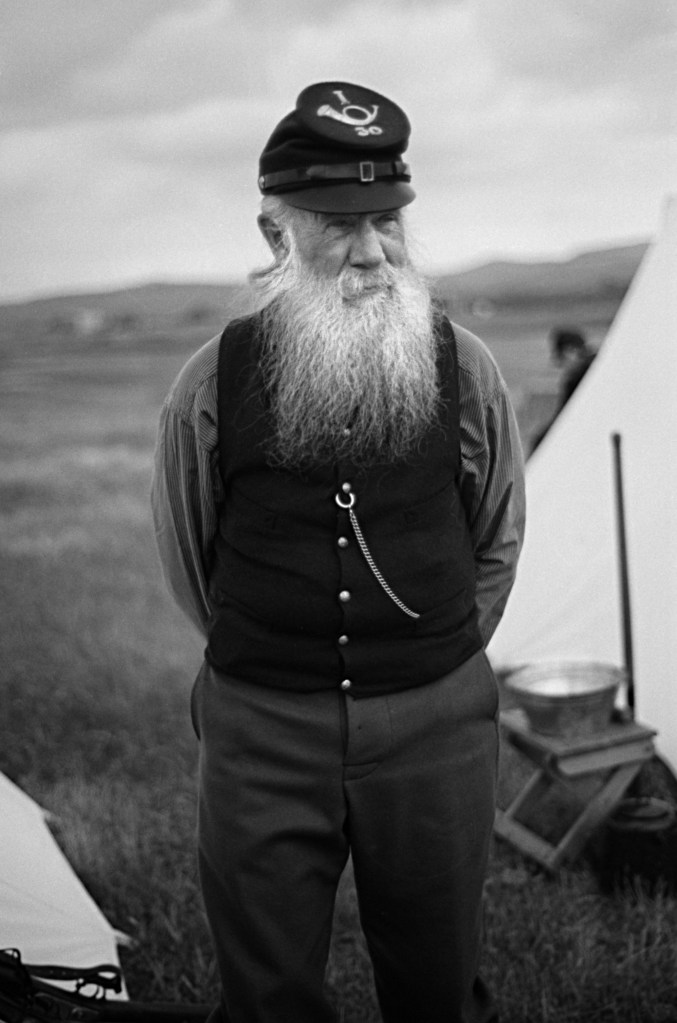
A good photo, like a good figure skater, connects with the viewer in human ways: through emotions, curiosity, charisma, reaction, and intrigue.
As I stated at the beginning of my post, my wife and I were captivated by watching figure skating – the beauty and the stories of the individuals are wonderful.
While others may prefer to watch adrenaline-pumping super G, halfpipe sledding, or speed skating – they do not have the artistry and emotional connection that draws us in (with a few exceptions).
So how can we apply that towards making better photos?
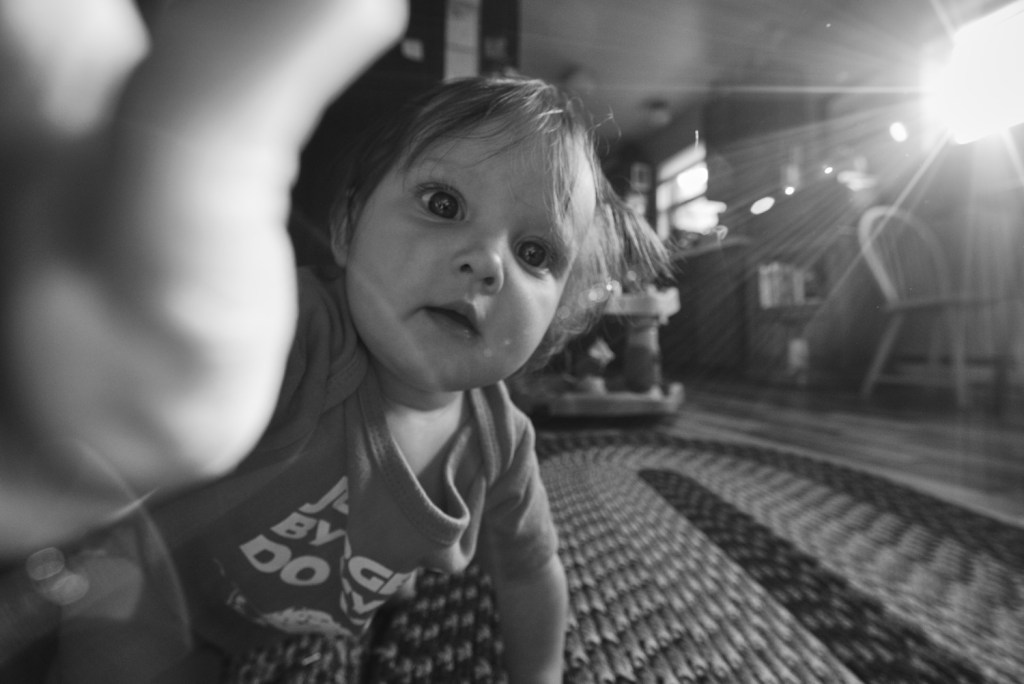
Not about the gear.
First, we need to realize that photography is not about the gear we are using, it is what is happening around is and who we are with.
While gear plays an important role in photography, it can also be a distraction, a crutch, and a prop.
Good photographers have learned to see past the various aspects of their equipment, they know how it best serves them, but they remain simply as tools.
Look for moments.
I aim to capture moments, both as a professional photojournalist and a daddy photographer. I love photographs that cause me to smile, or even chuckle, as I am capturing them. What I’ve discovered is that the same photos that cause me to chuckle will have a similar impact with the viewers.
“There is one thing the photograph must contain, the humanity of the moment.” — Robert Frank
My best photos are not necessarily the ones that win awards, but the ones that people notice and comment on.

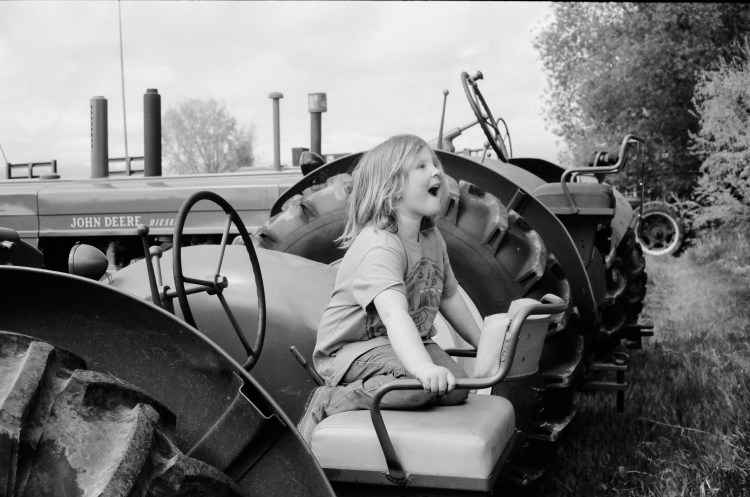
I’d be at a grocery store and someone will recognize me and stop to say, “Justin, I love that photo of the little boy in the newspaper the other day, it made me laugh.”
Or, “I loved the photo of your daughter on Facebook, her expression was just priceless.”
Emotion is king, technicality is second.
Many of these photos art not good from a technical standpoint. They may not follow the rule of thirds, have awkward composition, or might be a little blurry, but the human and emotional element is there.
I am not just talking about photojournalism or pictures of people, this can apply to other types of photos as well.
A good landscape photo, while lacking in storytelling or human elements, can still evoke emotions. This is why photos of dramatic mountains against sunsets are so popular – albeit cliché.

Landscape photos should not require a sunset/sunrise to make it great, but it should hold the viewer’s interest, and, if we are lucky, evoke an emotion.
It is easy for a photographer to think their photos are awesome, but our awesome photos are often not that special to the average viewer, in fact, most probably don’t care about your photography.
How do you gauge how good your photography is? Show it to someone who is not a friend or relative. What is their reaction? Does the photo hold their attention?
“There are always two people in every picture: the photographer and the viewer.” — Ansel Adams
What I love about photography is that it transcends language barriers. Emotions and humanity do not have borders, neither do photographs.
I can have a photo that is technically perfect: right depth of field, leading lines, rule of thirds, but is boring, lacking emotion or human connection – it won’t interest anyone else.
If you want your photos to stand out, make it matter. Bring humanity, storytelling, depth, and emotion.






 Justin Sheely
You must be logged in to post a comment.