
Some folks, especially those older than me, are surprised to learn that I shoot film, let alone develop the film I’ve shot.
I am a millennial, but I am not obsessed with the latest technology. I actually love old tech like vinyl albums, pour-over coffee makers and analog cameras.
This doesn’t mean I am anti-progress. I am excited about the advances in camera technology: mirrorless design, high ISO performance, phase detection pixels, organic sensors, curved sensors, drones, etc. These are remarkable developments that allow photographers to capture amazing images in ways that were not possible, 20, 10 or sometimes even 5 years ago.
But sometimes it’s easy to get too caught up in the tech and lose sight of what photography is at its core: capturing moments and light to create an image that tells a story.
Black and white film is as simple as it gets (although we could go into simpler forms, too).
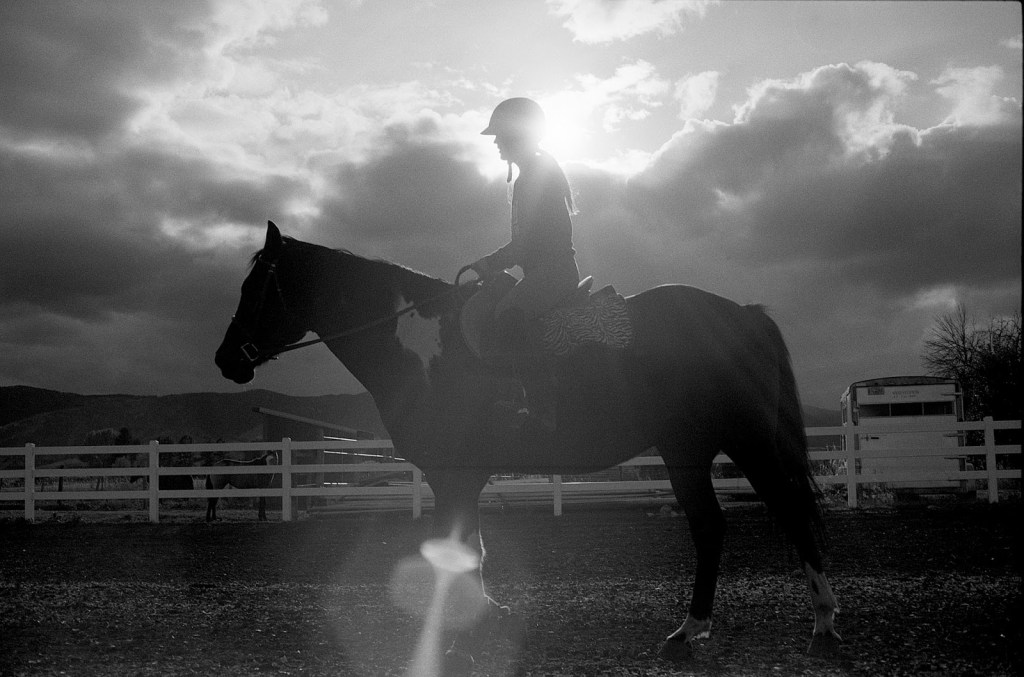
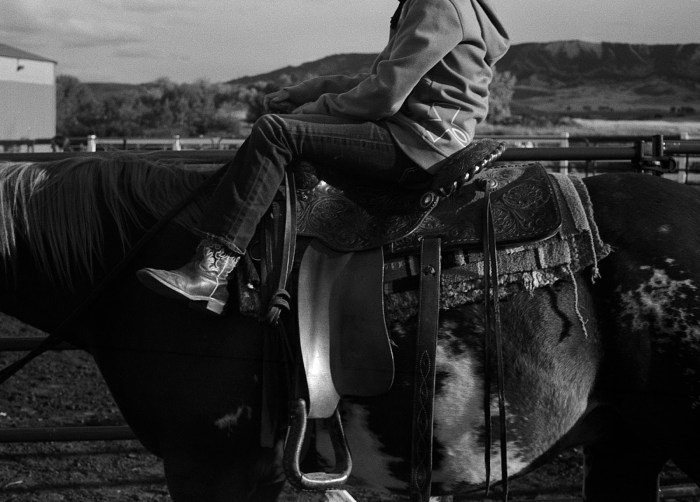
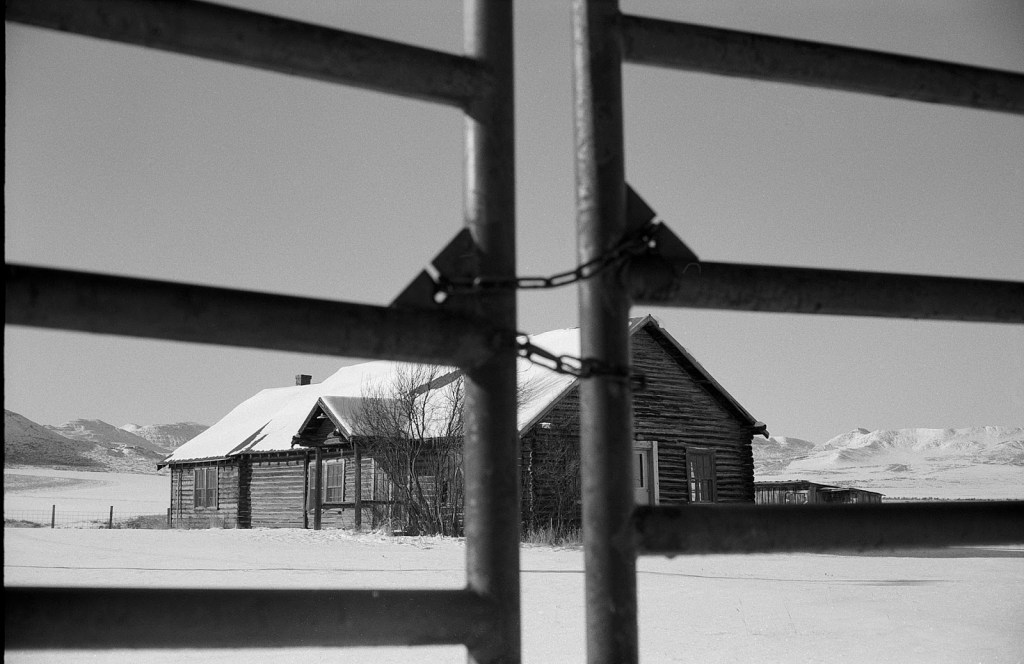
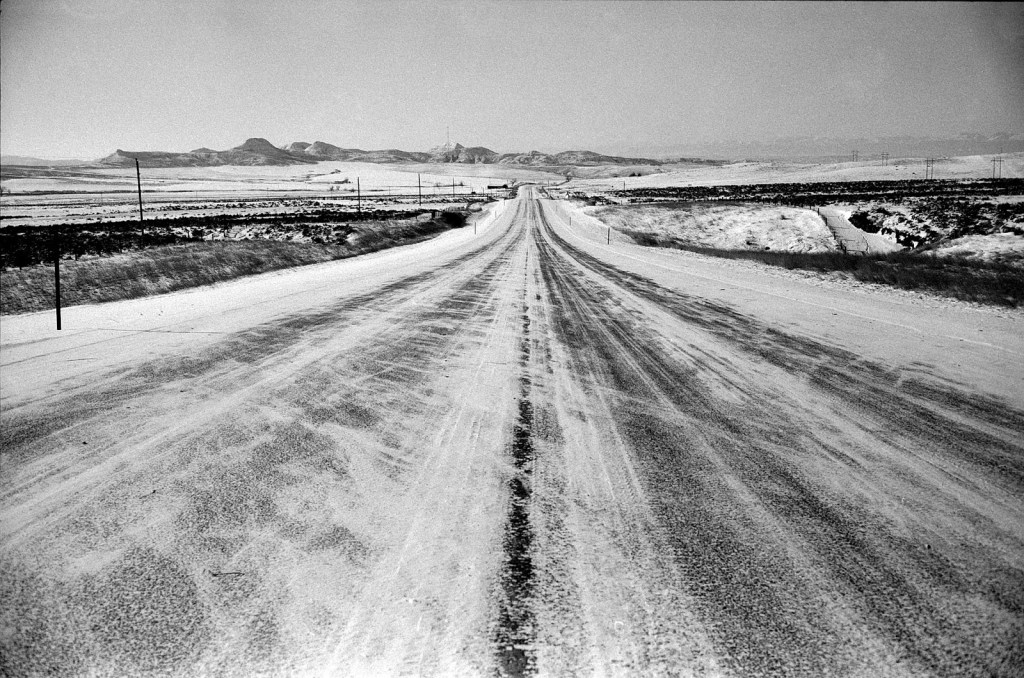
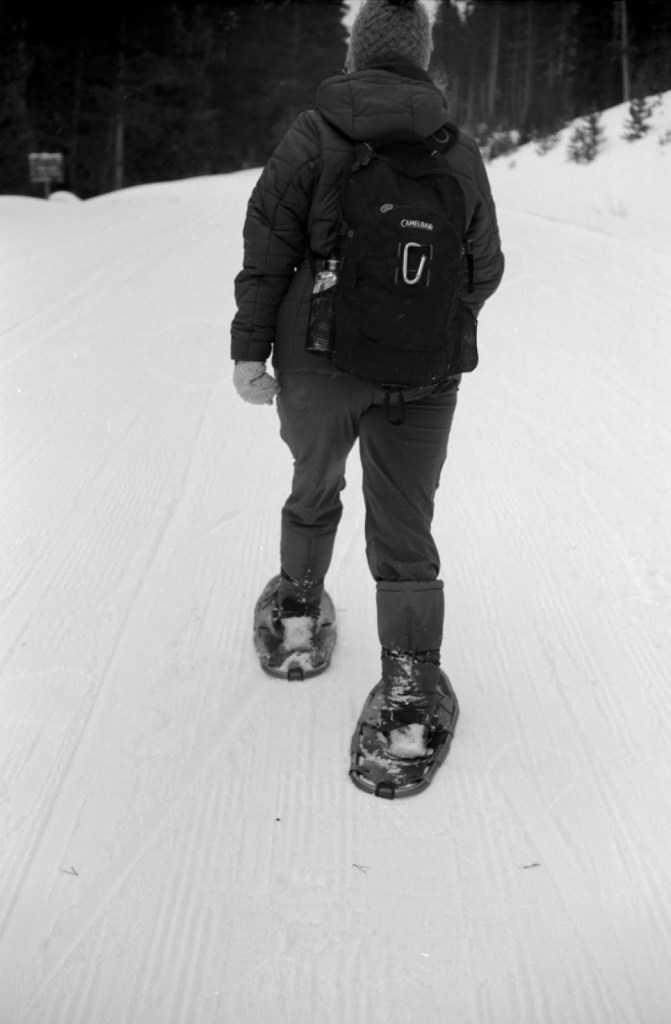
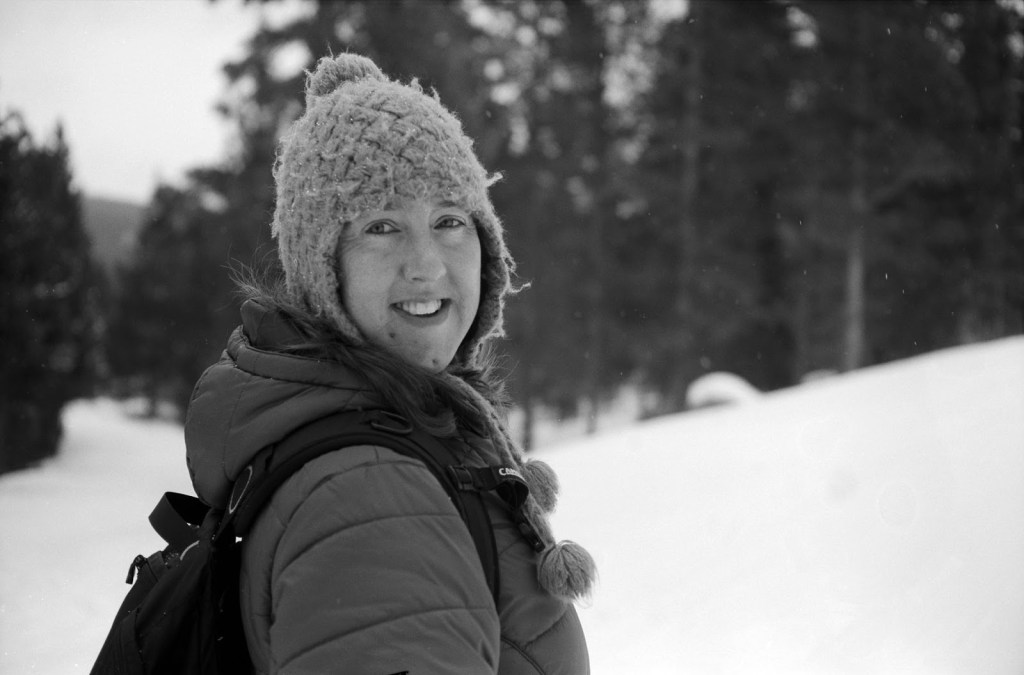
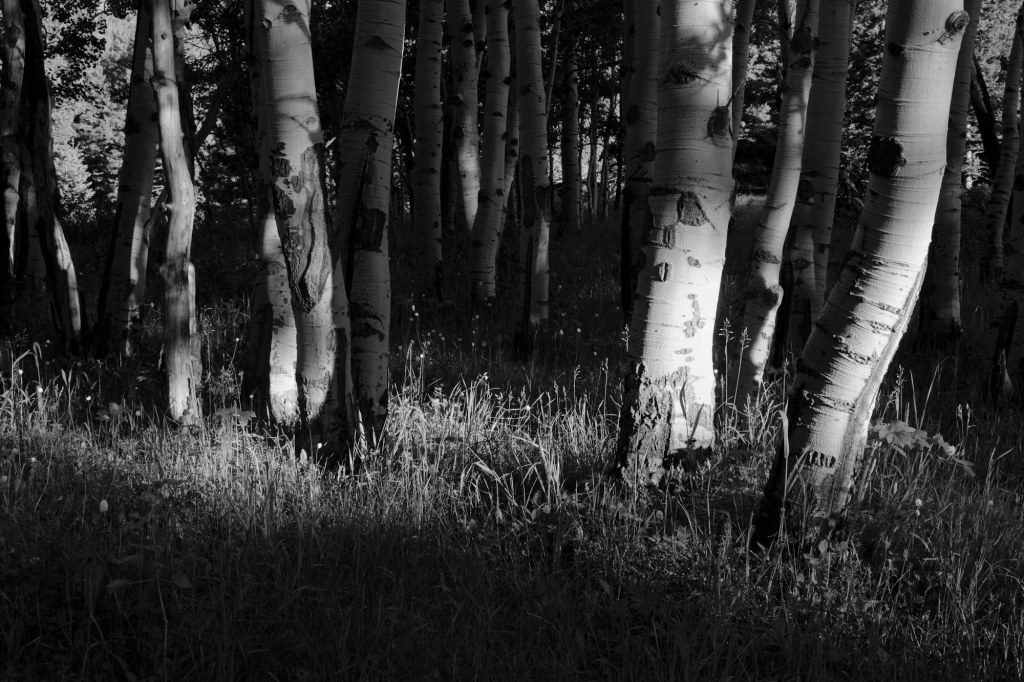
I just developed a roll of Kodak TMAX 100 that’s been sitting inside my Yashica GSN rangefinder camera for the past 3 months or so. As I was scanning the images onto my computer, I was struck with how nearly every frame was meaningful, well composed and had a though behind it. I apeared to approach my subjects differently. Why was that?
There are fun and challenging aspects to shooting film: no LCD screen, no instant results, guess work, slowing down, accidental light leaks and, of course, developing.
Every shot must count; with only 24 frames on a roll of film, I cannot operate my camera in a frivolous manner. This causes me to respond a little differently to my subjects.
Some folks, especially those older than me, are surprised to learn that I shoot film, let alone develop the film I’ve shot.
I am a millennial, but I am not obsessed with the latest technology. I actually love old tech like vinyl albums, pour-over coffee makers and analog cameras.
This doesn’t mean I am anti-progress. I am excited about the advances in camera technology: mirrorless design, high ISO performance, phase detection pixels, organic sensors, curved sensors, drones, etc. These are remarkable developments that allow photographers to capture amazing images in ways that were not possible, 20, 10 or sometimes even 5 years ago.
But sometimes it’s easy to get too caught up in the tech and lose sight of what photography is at its core: capturing moments and light to create an image that tells a story.
Black and white film is as simple as it gets (although we could go into simpler forms, too).
I just developed a roll of Kodak TMAX 100 that’s been sitting inside my Yashica GSN rangefinder camera for the past 3 months or so. As I was scanning the images onto my computer, I was struck with how nearly every frame was meaningful, well composed and had a though behind it. I apeared to approach my subjects differently. Why was that?
There are fun and challenging aspects to shooting film: no LCD screen, no instant results, guess work, slowing down, accidental light leaks and, of course, developing.
Every shot must count; with only 24 frames on a roll of film, I cannot operate my camera in a frivolous manner. This causes me to respond a little differently to my subjects.
Sure, one could pretend to operate his or her digital camera like a film camera and make every shot count, but what’s the incentive?
Let’s be honest; we respond to our equipment in the same way we respond to the environment we are in. When I pick up my professional Nikon DSLR for my photojournalism work, I approach my subjects differently than I would with my iPhone or a film camera. Why is that?

You’ve probably heard many photographers boast, “It’s not about the camera; it’s the photographer handling it” While I agree with that sentiment, I’d say it’s both, and more!
It’s about how you see and respond to what is happening around you, the people you are with, and the environment in which you are immersed. The gear you are holding in your hands helps you determine how to respond.
I am more likely to take more spontaneous and frivolous snaps with my iPhone because it is alway in my pocket. There are no immediate consequences to snapping a dozen photos of my daughter making a silly face. It’s digital and I can select my favorite and delete the rest (if I get that far).
I take more risks with my work cameras at the news paper. I often shoot in horrible light at screaming high ISOs, but I do it because I can, and those risks are often rewarded.
With film, especially black and white, I try harder to be more selective with my shots. Yes, I sometimes take “snaps”of my family for posterity, but the majority of my frames are intentional.
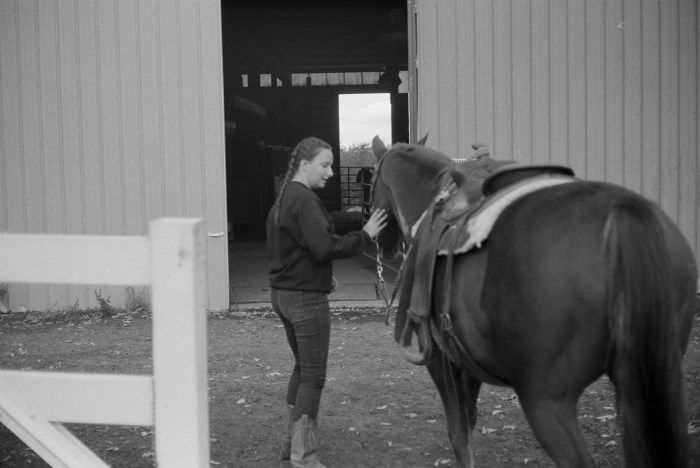
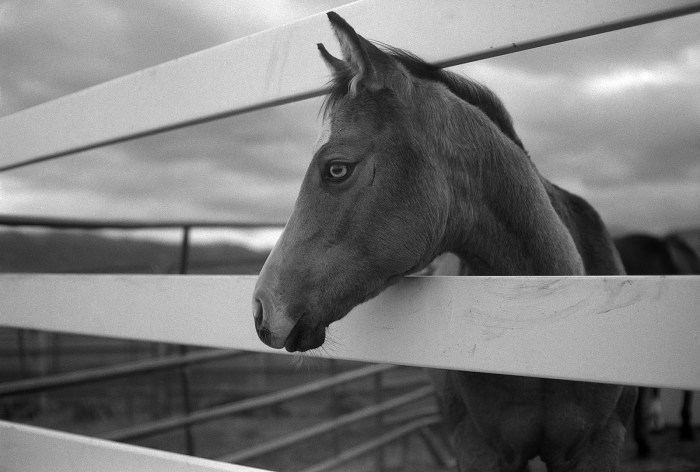
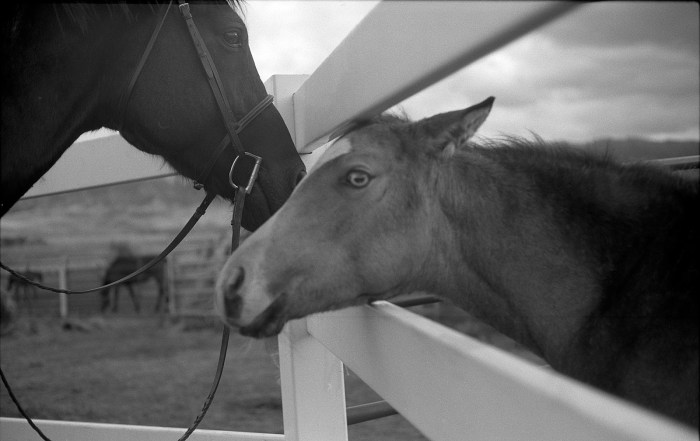
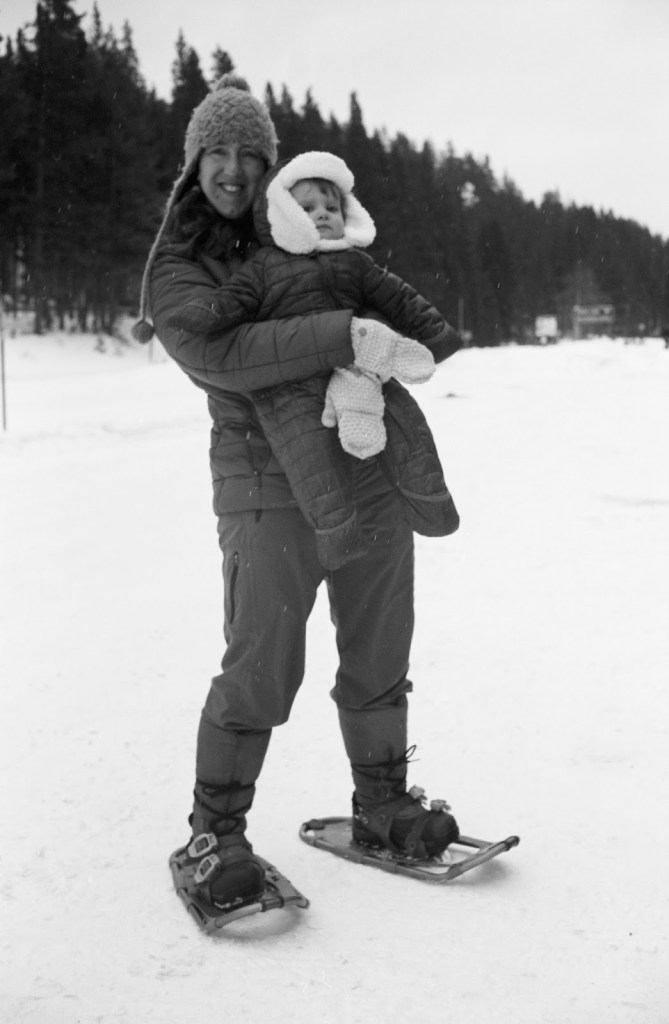
These are responses to the equipment, and also a response to the subject and environment. The photos in this post were captured in response to my environment, my loved ones, and the clumsy rangefinder in my hands.


Interested in black and white film?
Kodak TMAX 100
Ilford Delta 100
Fujifilm Neopan Acros




 Justin Sheely
You must be logged in to post a comment.